Your tray is a campsite. Set it up so it works at 5 am and at 9 pm.
Camping from a ute or pickup rewards planning more than gear. The weight sits behind the cab, the power has to last the night, and the track back out is only as good as your water and your recovery kit. This guide covers the decisions that matter, in the order they tend to bite.
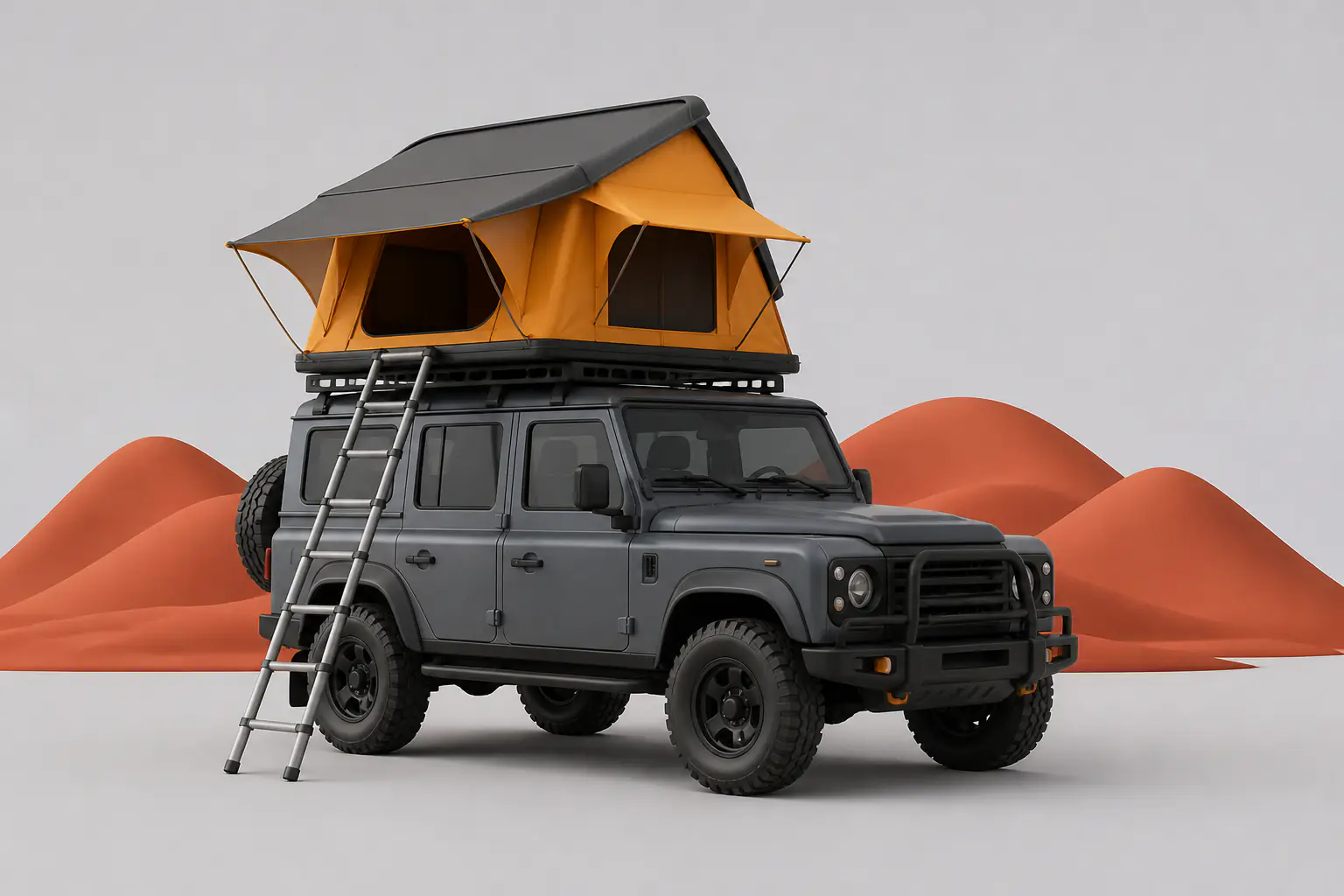
Bed tent, roof tent or swag: choose by how you travel
The first question is not which shelter looks best. It is how often you move camp. If you stop in one place for three nights and drive out each day, a tent that lives in the tray costs you nothing. If you roll into a new site every evening, a roof tent that folds in two minutes is worth its weight.
Tray or bed tents
They sit low, use the tray as a floor and keep the centre of gravity down. The trade is that the tray is occupied. Bedding, a mat and the tent itself can stay put, but anything else you carry has to live on the roof, in a canopy or in a trailer.
Roof tents
They add height and weight above the rear axle line, which changes how the vehicle leans on corrugations and side slopes. Check your roof and rack load rating, remember the dynamic limit is lower than the static one, and budget for a little more fuel.
Swags and ground shelters
They cost less than either and need no mounting. The price is time on the ground, so they suit dry climates and short stays.

Size the battery from what you draw, not from what looks sensible
A good power system starts with a list. Write down each load, its wattage and the hours it runs. A compressor fridge averages far below its label rating because the compressor cycles. Lights and phone charging are small. The expensive surprises are inverters left on, kettles and anything with a heating element.
- Add the daily amp hours. Multiply by two for a battery bank you will not drain flat, since deep discharge shortens the life of most chemistries.
- Fit a shunt-based meter. Guessing state of charge from voltage alone is unreliable under load.
- Charge on the move with a DC to DC charger, which regulates properly and protects the starter battery.
- Use solar as a top-up, not a primary source. A folding panel recovers a fridge's draw on a clear day, and very little under cloud.
- Fuse every positive run close to the battery, and size the cable for the current and the length, not for the connector you happen to own.
Keep the wiring short, protected and labelled. A system you can read at a glance is a system you can repair beside a track.

Carry more water than the plan says
Water is heavy at one kilogram per litre, which is why people shave it. Do not. A ute has the payload to carry it, and the cost of running short is out of proportion to the cost of carrying a spare jerry can.
Split your supply into several containers. One split seam or lost cap then costs you a share, not the lot. Keep drinking water separate from washing water so you never have to wonder which is which.
For cooking, a two-burner stove and one good pot cover most trips. Pre-cook and freeze the first night's meal, and it will help hold the fridge temperature as it thaws. Pack out all rubbish, including food scraps, and use existing fire rings only where fires are permitted.
| Situation | Litres per person per day | Note |
|---|---|---|
| Cool weather, simple cooking | 4 to 5 | Drinking and one hot meal |
| Warm weather, light washing | 7 to 9 | Hydration needs climb quickly |
| Hot, remote, active days | 10 or more | Plus one full spare day |
Most bogging is prevented, not recovered
Lowering tyre pressure is the cheapest recovery tool there is. A larger footprint floats over soft sand and loose gravel, and a softer tyre also rides corrugations better. Carry a gauge and a way to reinflate, and put the pressure back before you hit the bitumen.
Walk questionable crossings first. Look at the entry, the exit and the bottom. If you cannot see the bottom, the water is deeper than you think. Wait for a flooded creek to drop; it usually does within a day.
- A flat recovery strap with rated shackles and a shovel handle most light jobs.
- Attach only to rated recovery points, never to a tow ball or a tie-down loop.
- Tell someone your route and your return time, and carry a satellite messenger where there is no phone coverage.
- Learn the techniques somewhere forgiving before you need them somewhere remote.

Pick the window before you pick the destination
The same road can be a pleasure in May and a hazard in January. In the tropical north the dry season is the useful window, and wet-season closures are real. In the arid interior the cooler months are the sensible ones, since summer heat stresses people, tyres and cooling systems alike. In the temperate south, late spring and autumn give long light without the fire risk of high summer.
Check fire danger ratings, total fire ban days and road closure notices from the relevant authority on the day you leave and again the evening before you move on. Rainfall hundreds of kilometres away can still shut a road through a floodway.
Altitude and coast change the answer too. A night that is mild at the beach can sit near freezing on a plateau, so bring a bag rated for the colder case.
Before you roll out of the driveway
- Tyre pressures checked, spare inflated, jack and wheel brace present
- Recovery strap, shackles, shovel and gloves within reach
- Water full, spare container secured, filter or tablets packed
- Battery charged, fuses and spare fuses checked
- Fridge pre-chilled the night before
- Tent poles, pegs and guy lines counted
- First aid kit and any personal medication
- Paper map or offline maps, plus a charged power bank
- Route and return time shared with someone at home
- Rubbish bags, toilet kit and a trowel
- Fire ban status and road conditions confirmed that morning
- Fuel topped up with a margin for the longest leg
Print or copy it and adjust it after each trip. A checklist is only useful if it reflects what you actually forgot last time.
Short answers to common questions
Do I need a bed tent, or is a roof tent the better choice?
Neither is better in general. A bed tent is lighter, cheaper to run and keeps the centre of gravity low, but it ties up the tray and has to come down if you want to drive off for the day. A roof tent stays up on short hops and leaves the tray free, at the cost of weight high on the vehicle and a ladder to climb at midnight.
How much battery capacity does a weekend actually need?
A 12 V fridge, a few lights and phone charging usually come to 30 to 50 amp hours a day in mild weather. Double that figure for your battery bank if you want a margin, then check it against the real draw with a cheap shunt meter.
How much water should I carry per person?
Plan on at least four litres per person per day for drinking and basic cooking in cool weather, and ten or more once washing and heat are involved. In remote country carry a full extra day beyond your planned return.
Is recovery gear worth carrying if I stay on graded roads?
A flat strap, a pair of rated shackles, a shovel and a tyre pressure gauge weigh little and cover most ordinary bogging on a wet verge or soft sand patch. Deeper gear only makes sense once you know how to use it safely.
When is the best season to go?
It depends on the region. In the tropical north the dry season is the useful window, in the arid centre the cooler months, and in the south late spring and autumn. Check local fire bans and road closure notices before you leave.
An independent reference
Outback Tailgate is an independent, non-commercial guide to camping from a ute or truck. It sells nothing, takes no bookings and carries no advertising. The advice is general and written to help you ask better questions, not to replace the manual for your vehicle, local rules or your own judgement.
Conditions, regulations and safe practice change. Check current local information before every trip. Legal notice